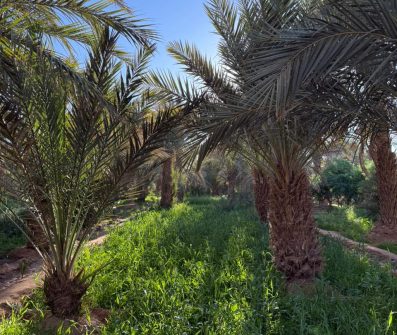
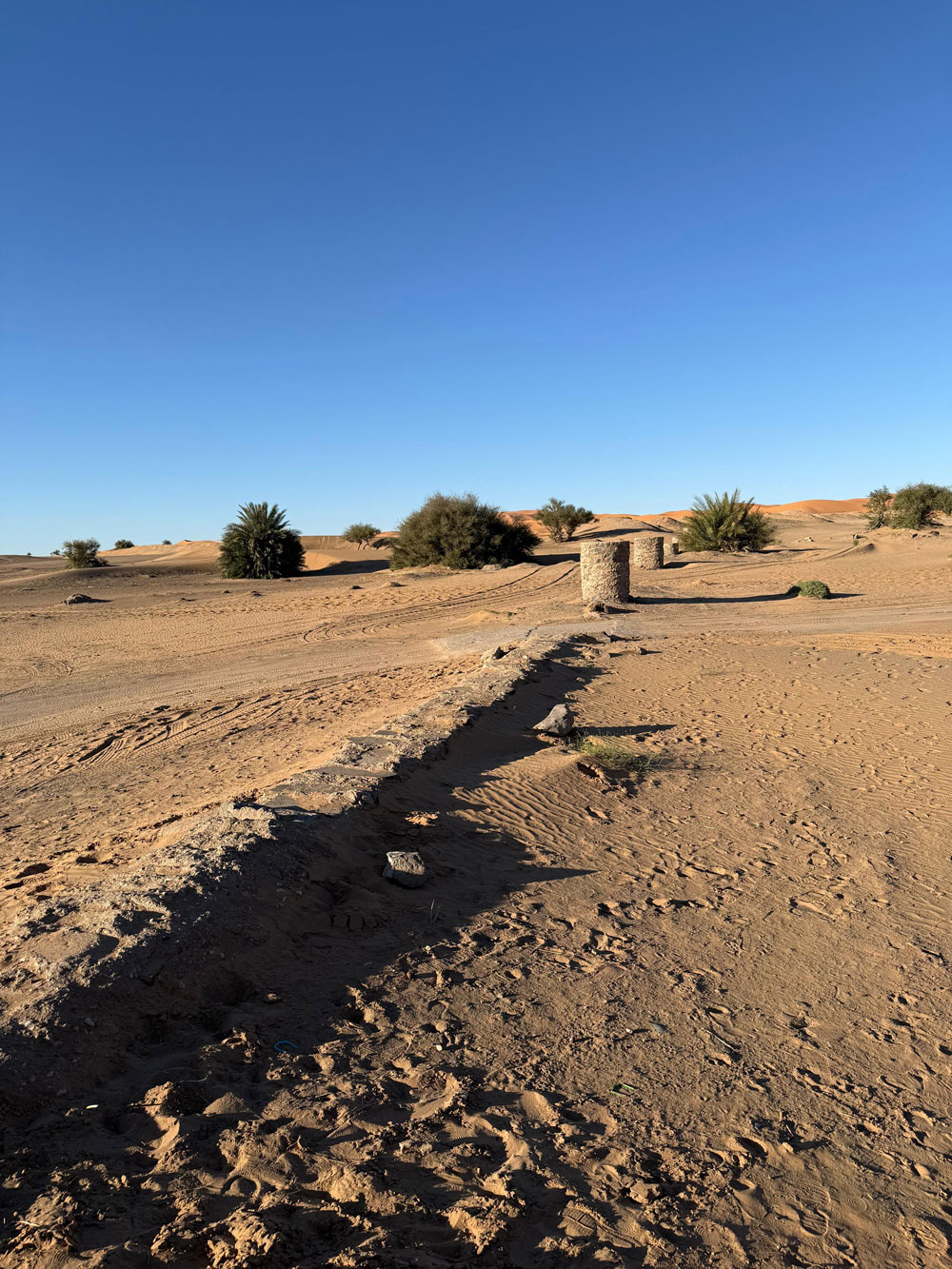
At Tiziri Camp, as the sun dips below the Erg Chebbi dunes and the first stars begin to pulse, the desert feels like a place of vast, beautiful emptiness. But look toward the horizon where the green palms rise, and you will find a sophisticated civilization that has baffled historians and economists for centuries.
The traditional oasis is not just a garden; it is a socio-economic miracle—a masterpiece of human organization that refuses to be categorized by the modern world.
Neither Capitalist nor Socialist: An Unclassifiable Harmony
In the West, we are taught that an economic system must be one thing or another. But the Amazigh man of the desert created a “Third Way” that defies standard academic classification.
From a methodological perspective, the oasis is a paradox:
- Individual Ownership without Capitalism: Every person owns their specific field. There is a deep, personal connection to the land and the fruits it bears. However, the system is not capitalist; the goal is not the infinite accumulation of profit or the exploitation of others, but rather family subsistence and communal resilience.
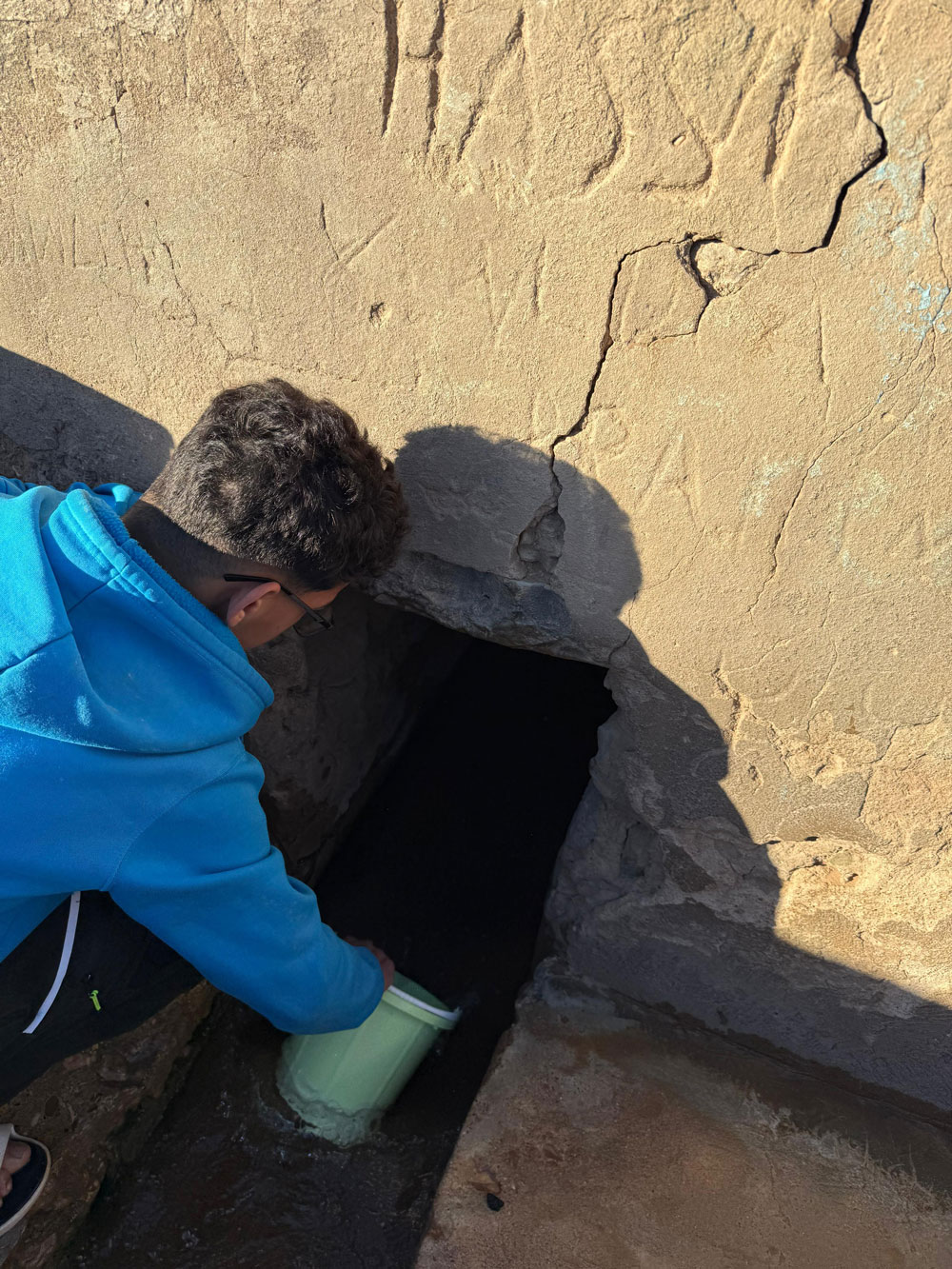
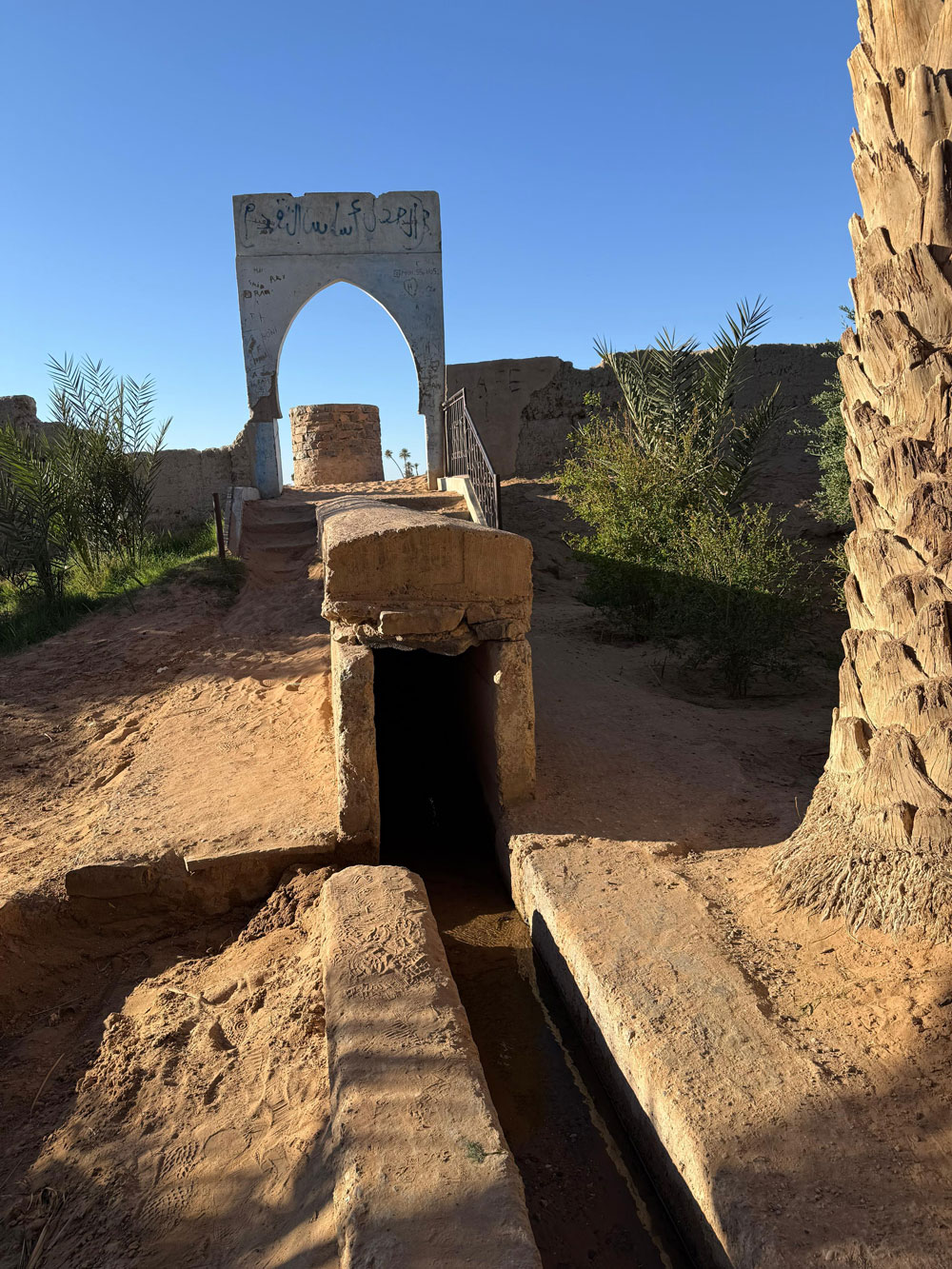
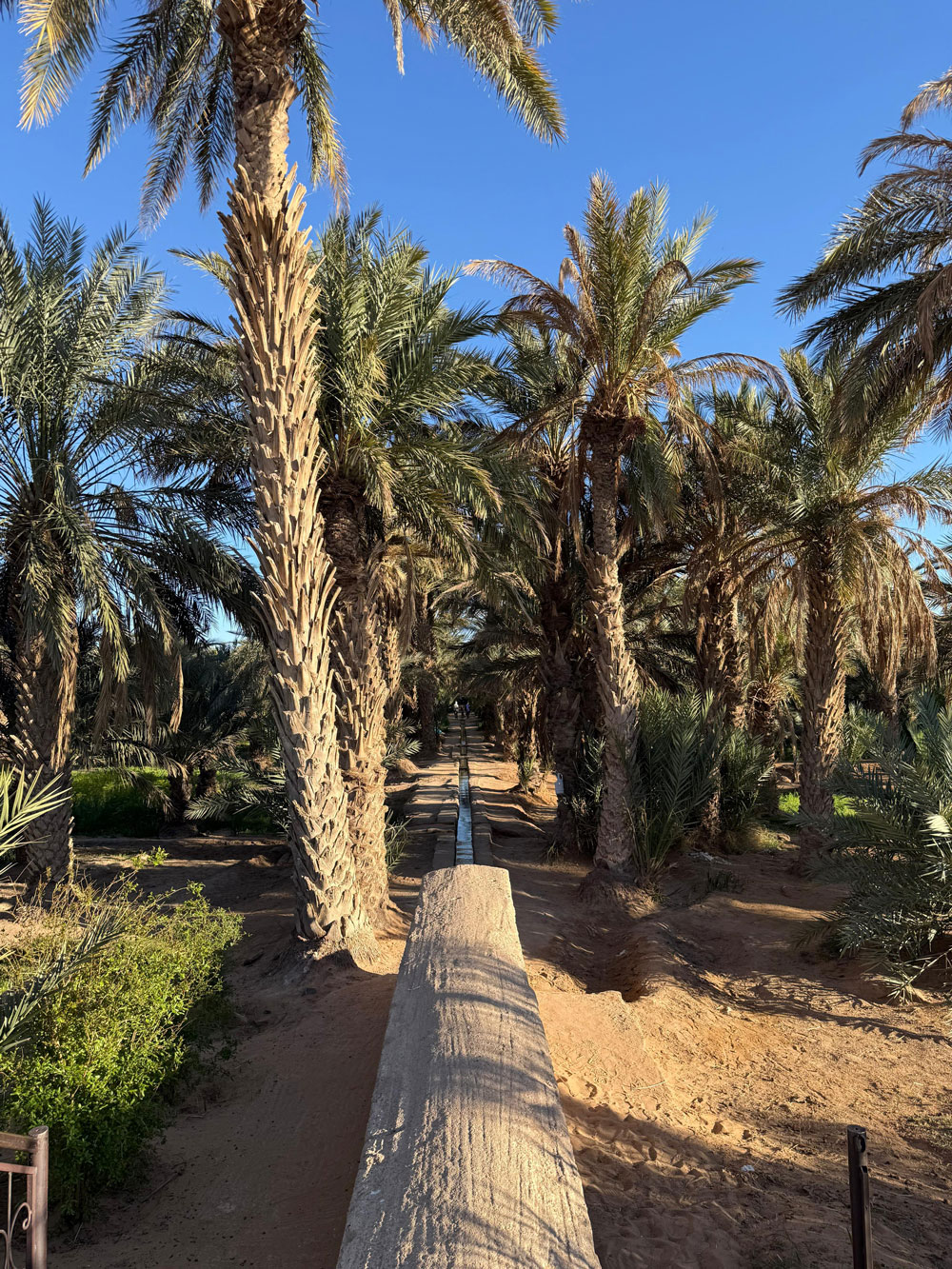
- Communal Management without Socialism: The lifeblood of the desert—water—is collective property. It belongs to the community as a whole. Yet, this isn’t managed by a distant, bureaucratic state. It is managed by the heartbeat of local tradition.
Even the Marxist framework of the “Asiatic Mode of Production” fails to describe this. In that model, a central despotic power controls the water. In the Amazigh oasis, power is horizontal; it resides within the tribe itself.
The Pillars of the Miracle: Water, Wisdom, and the Amghar
How does a society survive for thousands of years in a place where water is more precious than gold? It survives through a brilliant system of equity and discipline:
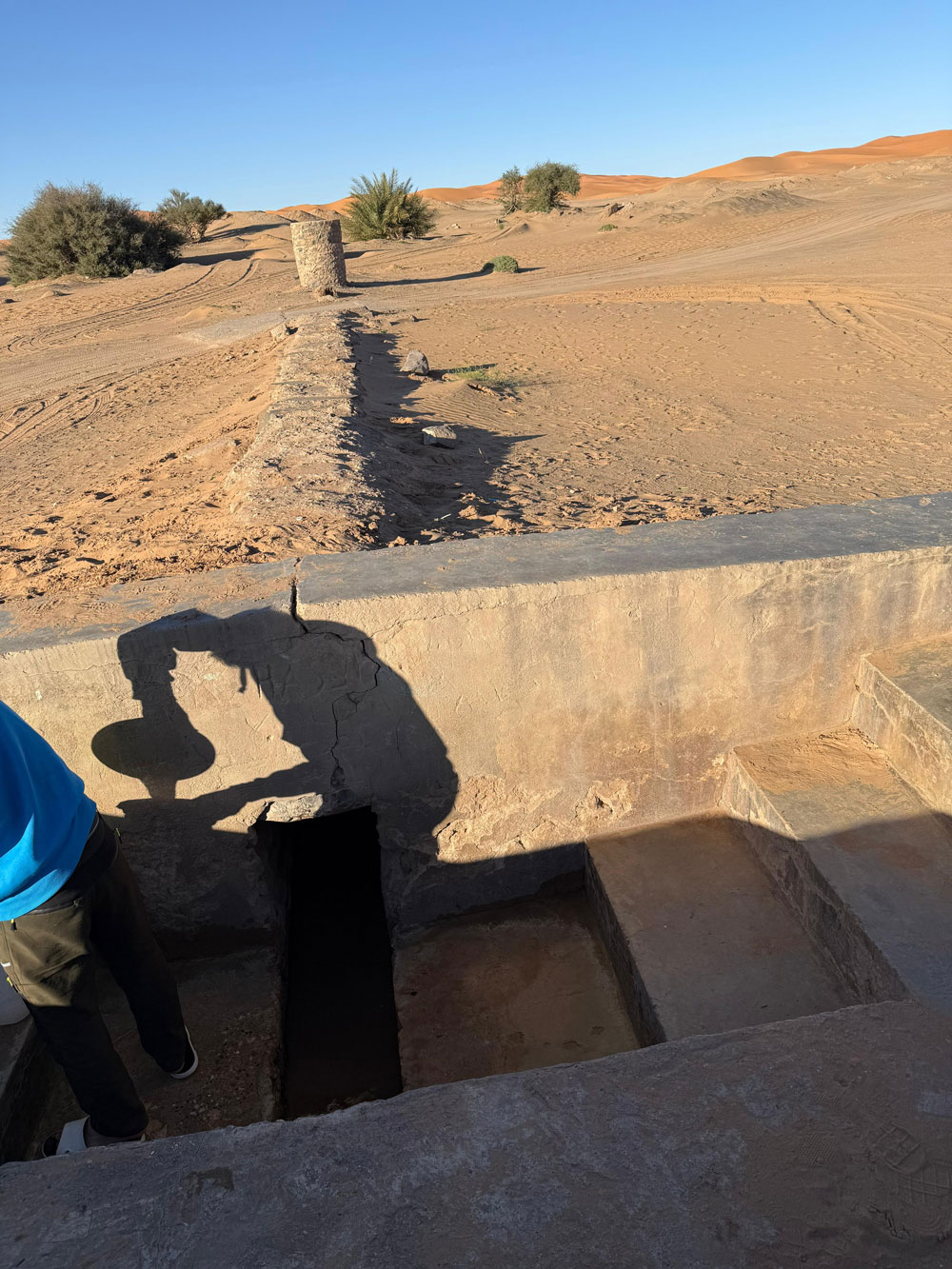
- The Rotation of Life: The tribe ensures that irrigation is not a competition, but a symphony. Water is shared with absolute equality through a complex system of timing and rotation. No one is left thirsty so that another may thrive.
- Amghar – The Moral Compass: Authority in the oasis is represented by the Amghar (the tribal leader). He is the guardian of balance, ensuring that the ancient laws of the desert are respected by all. He represents a power born of consensus, not coercion.
- Izmaz – The Law of the Heart: To protect the collective, the Amazigh developed Izmaz—a traditional disciplinary system. It is a social contract that punishes greed and rewards cooperation, ensuring the survival of the oasis for the next generation.
A Civilization of Silence and Strength
The Amazigh man did not just survive the Sahara; he authored it. By creating the oasis, he produced a civilization that is a miracle by every measure. It is a system built on the realization that true freedom comes from individual effort, but true survival comes from collective responsibility.
As you sit by our fire tonight at Tiziri, let the silence of the dunes remind you of this ancient wisdom. The oasis teaches us that we do not need to choose between the self and the community. We can be both. We can be a miracle.